

Hair loss guide
High forehead in women & men – can a hair transplant stop the hair loss?
A high forehead can lead to great insecurity, as it cannot always be perfectly concealed. Different hairstyles can help to ensure that a high forehead is not noticed straight away, but that is not a permanent solution.
Reasons and causes of hair loss with a high forehead
There can be various reasons why someone has a high forehead, and they can vary from person to person. But there are also some differences between the reasons for a high forehead in men and in women.
In women
Like any type of hair loss, a high forehead can be hereditary. For example, hypersensitivity to the body’s own messenger substances can lead to hair loss in the forehead area. This is often accompanied by hair loss at the parting.
But wearing tight hairstyles can also encourage a high forehead in the long term. If you wear tight buns or ponytails over a long period of time, this can trigger hair loss in women.
In many cases, however, a high forehead is not necessarily linked to hair loss; instead, the hairline has been too high since birth. Deficiencies (e.g. iron, zinc) or certain medical conditions (e.g. of the thyroid) can also lead to hair loss.
Our patient shares her personal experience of an FUT hair transplant
In men
In men, too, a hairline that sits too far back can be congenital. But genetic hair loss in men is also a common cause of a high forehead. In men, this is often accompanied by a receding hairline.
A high forehead often becomes more pronounced with age, especially if it is hereditary.

Treatment process – hair transplant for a high forehead
When a new hairline is to be created because of a high forehead, a basic distinction is made between the FUT and FUE methods.
Transplant in women
The ideal extraction technique for a hair transplant has to be determined individually in the consultation. For very long hair, the FUT method tends to be preferable, as the donor hair does not need to be shaved beforehand. In this type of hair transplant, a strip of skin is first taken from the back of the head where the hair grows densely.
These hair follicles – also called grafts – are removed one by one from the strip of skin and placed in a special growth solution, so that they are preserved until they are inserted – the actual transplant – and can then take better. The donor site is usually barely visible, if at all. A horizontal scar does remain at the back of the head, but it is covered by the hair there and is therefore inconspicuous.
The new hairline is then created by preparing the skin with small incisions and placing the grafts in them. Hair surgeons put the overall picture together piece by piece so that it looks natural and attractive in the end.
Transplant in men
In men, the FUE method or – exclusively at Hair Doctors – the FUEplus method is most commonly used for hair transplants. The hair from which the grafts are taken is first shaved short. The hair follicles are then carefully removed one by one and inserted into the prepared skin.
Here, too, our Hair Doctors hair surgeons take meticulous care to create a new hairline that looks as natural as possible and to insert the transplanted hairs so that they fit into the overall picture.
Aftercare
At Hair Doctors you receive detailed hair-washing instructions for the first period after the procedure. After that, you wash your hair with a special shampoo from Hair Doctors and otherwise follow our important advice on what to do and avoid in the first 3 weeks after the hair transplant. With the FUT method, you come back 3 weeks after the operation to have the stitches removed.
High forehead: hair transplant costs
The costs of a transplant can vary depending on the effort involved and the amount of hair to be transplanted. The exact effort has to be determined individually in a personal consultation or a video consultation. Your personal expectations of course also play a decisive role. As a rule, hair transplant costs are between €3,600 and €8,500. All Hair Doctors prices are all-inclusive prices that already include the costs of anaesthesia, the outpatient stay at the clinic with patient lounge and all follow-up and aftercare appointments. With the FUEplus method, one session of our PRP therapy with your own blood is even included.
Can we help you with your high forehead?
Do you have a high forehead that you no longer want to hide? Then the hair specialists at Hair Doctors will be happy to help you create a new, natural hairline.
Frequently asked questions
Common questions from our patients
At what age do you get a high forehead?
A high forehead can be congenital. If, however, it is caused by hair loss, this can be the result of hormonal changes. Age does not play a direct role here. However, every woman and every man goes through several phases of life in which the hormone balance changes again and again. Older people therefore tend to have a high forehead simply because they have already gone through hormonal changes many more times.
What is a high forehead?
A high forehead is a hairline that sits high up, with the hairline set back. This makes the forehead look larger and often noticeably rounder and less well-proportioned.
Are there effective alternatives for a high forehead?
If a high forehead is the result of hairstyles that are too tight (e.g. braids) and unintentionally cause hair loss, loosening the hairstyle early and permanently can help.
Our methods
Which method is right for you?
From robot-assisted hair transplants to scalp pigmentation – we will find the right method for you together in a 1:1 consultation with no obligation.

ARTAS® iX
Robot-assisted extraction with artificial intelligence

Hair Doctors FUEplus
Our gentlest method with finer incisions

FUE
Grafts extracted one by one from the donor area

FUT
Strip method – no shaving needed
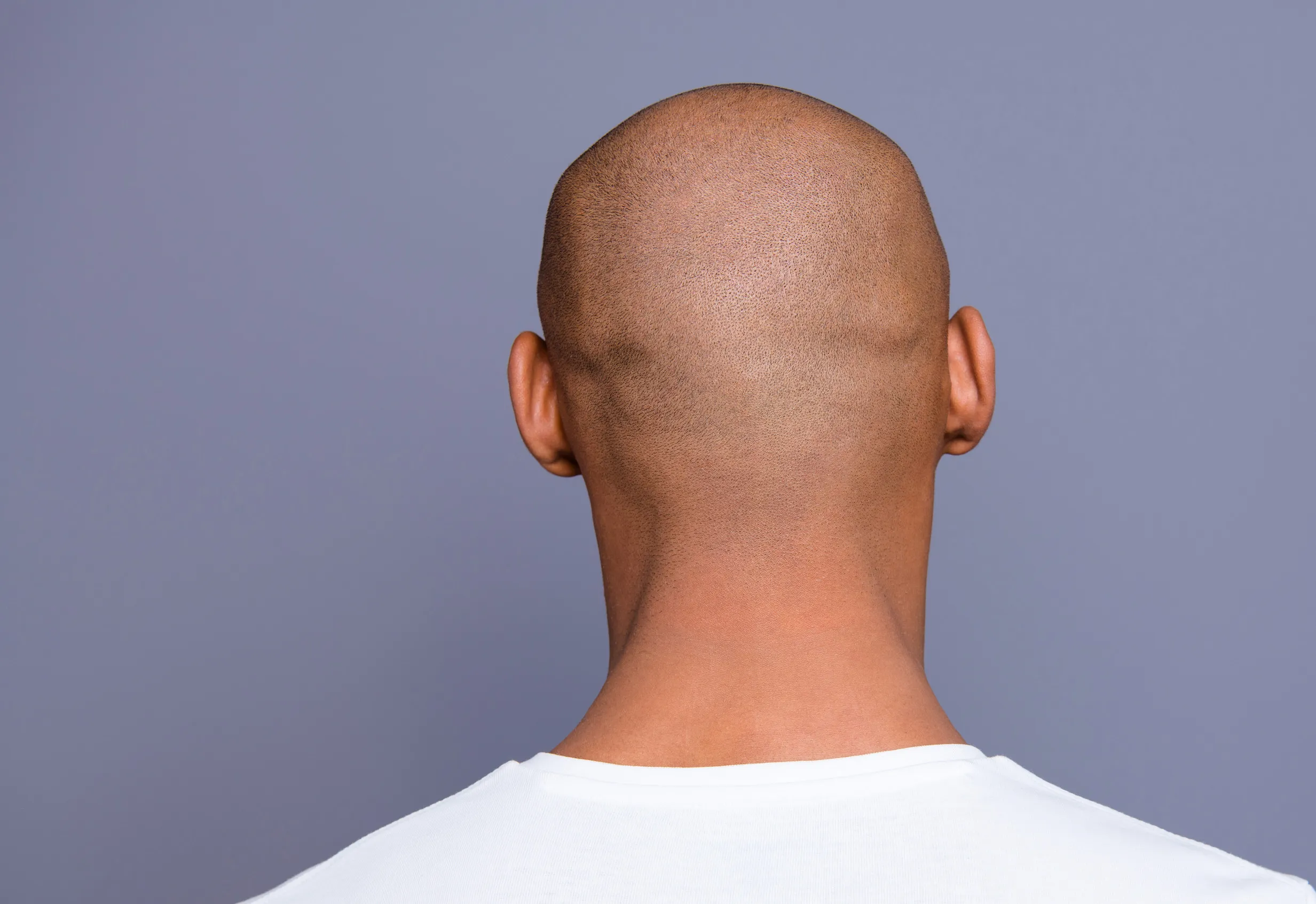
Scalp micropigmentation
The look of a shaved head – without surgery
6 locations
Hair Doctors near you






Personal 1:1 consultation, no obligation
In person or conveniently by video.
In two consultations we work out with you which treatment suits you.
Sign up for our newsletter
Never miss offers, news and events again.