
Blog · 30 September 2026 · 8 min read
What are grafts? Hairs per graft, harvesting and growth explained
Anyone looking into a hair transplant will come across the word graft in almost every offer and consultation. It refers to the small unit that is transplanted – but what exactly lies behind it, how many hairs does a graft carry, and why does the number alone say so little about the eventual result?
Medically reviewed by Dr. med. Martin Reifenrath, Specialist in Plastic and Aesthetic Surgery · Last updated:
Key points at a glance
- A graft is a natural group of hairs together with their roots, known in medical terms as a follicular unit. It usually contains one to four hairs.
- Grafts come from the donor area at the back and sides of the head. They are harvested individually or obtained from a strip of skin and kept in a solution until they are placed.
- The reserve is limited: hairs that have been harvested do not grow back in the donor area, and harvesting too much visibly thins it.
- Fresh grafts are delicate in the first few days. In one study, they were no longer at risk from the ninth day.
- It is common and usually normal for the transplanted hairs to fall out after a few weeks – the roots stay and form new hairs after a few months.
- The number of grafts alone says little. How many hairs a graft carries, how strong they are and how carefully the planning and placement are done all count too.
What is a graft?
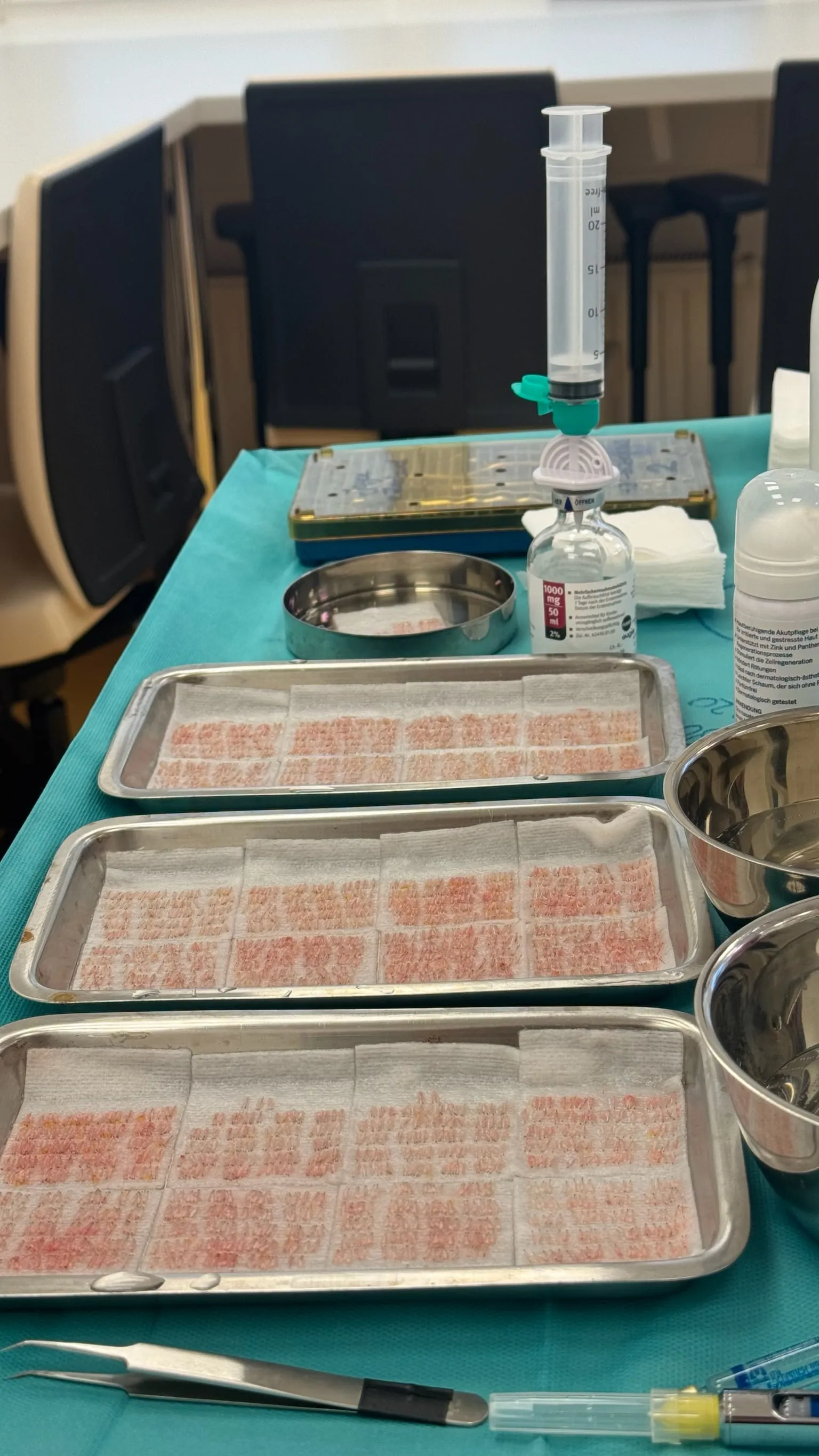
“Graft” simply means a transplant. In a hair transplant, it refers to a follicular unit: a naturally grown group of hairs that emerge from the scalp together, along with their roots and a little surrounding tissue. The international professional society for hair surgery (ISHRS) describes these groups as having one to four hairs each. Most are groups of one, two or three.
Modern procedures therefore do not transplant hair by hair, but group by group. This preserves the natural grouping of the hairs.
How many hairs does a graft have – and how many grafts does a person have?
A graft usually carries one to four hairs. 2,000 grafts are therefore not 2,000 hairs but, as a rule, considerably more. How the groups are made up is individual: in a study of 50 people published in 1999, 65 to 85 follicular units and 124 to 200 hairs per square centimetre were found in the donor area at the back of the head; the proportion of groups of one, two and three depended on hair density.
According to a review in the German medical journal Deutsches Ärzteblatt, around 80,000 to 120,000 strong hairs normally grow on the whole head – mathematically, several tens of thousands of follicular units. For a transplant, however, only the donor area at the back and sides of the head counts, as its hairs barely react to the hormonal influences that trigger hereditary hair loss.
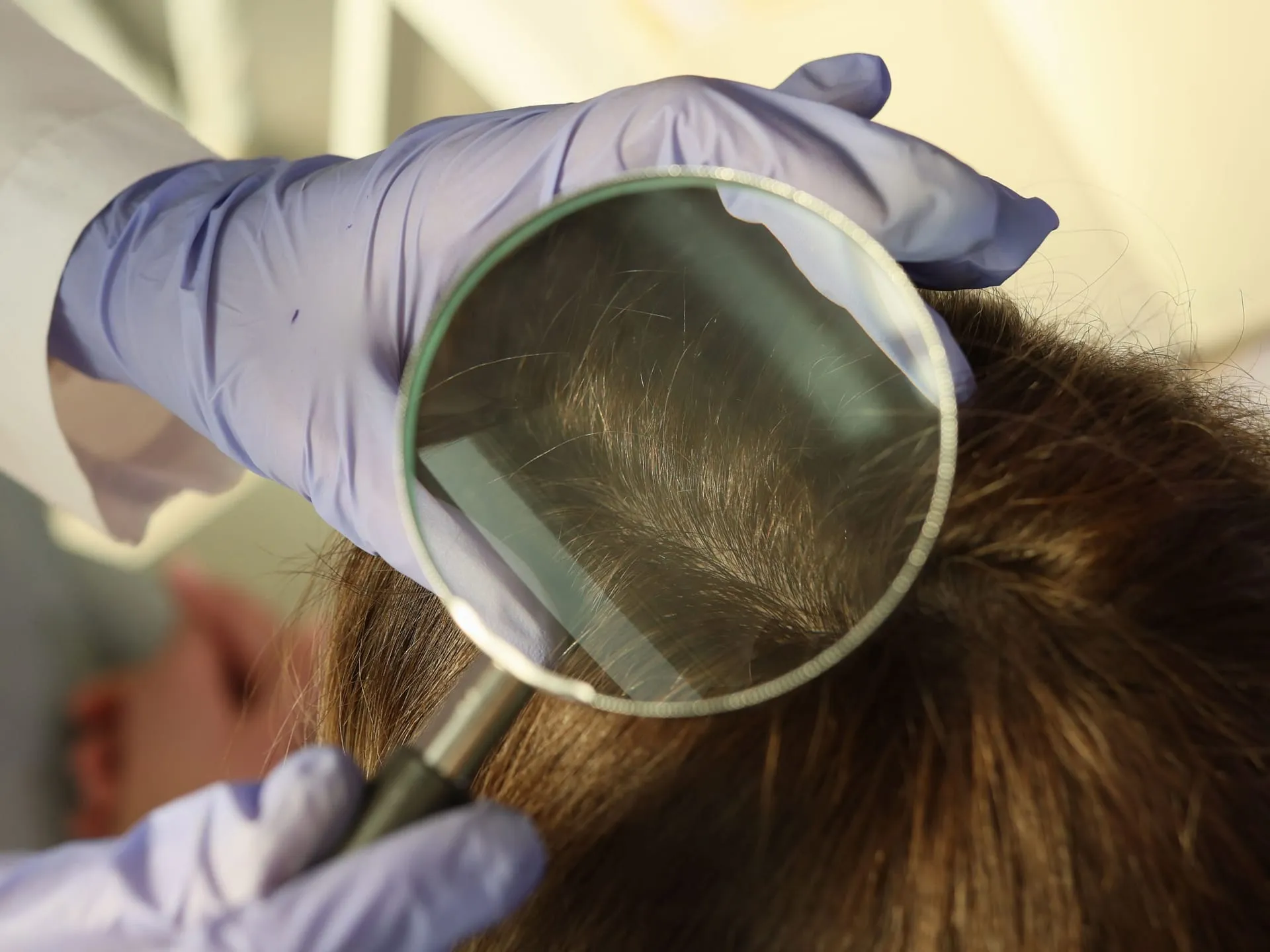
How many grafts can be harvested from it over the years, and how many a particular zone needs, is shown in the article How many grafts do I need? The graft calculator gives you an initial guide value for your zone.
How are grafts harvested and handled?
There are two ways of harvesting. In single extraction (FUE), each follicular unit is removed individually from the fringe of hair with a fine hollow needle. In the strip technique (FUT), a narrow strip of skin is removed from the back of the head and divided into individual grafts under the microscope; the wound is stitched.
The grafts are then sorted, usually by the number of hairs: grafts with single hairs are suitable for the very front row of the hairline, larger groups for the areas behind it. Until they are placed, they are kept in a solution that is usually chilled, because outside the body they lack a supply of blood and oxygen. A 2015 review refers to studies according to which grafts survive well in such chilled solutions for just under eight hours before their survival rate falls. That is why it is important to handle them gently and not to leave them outside the body for longer than necessary.
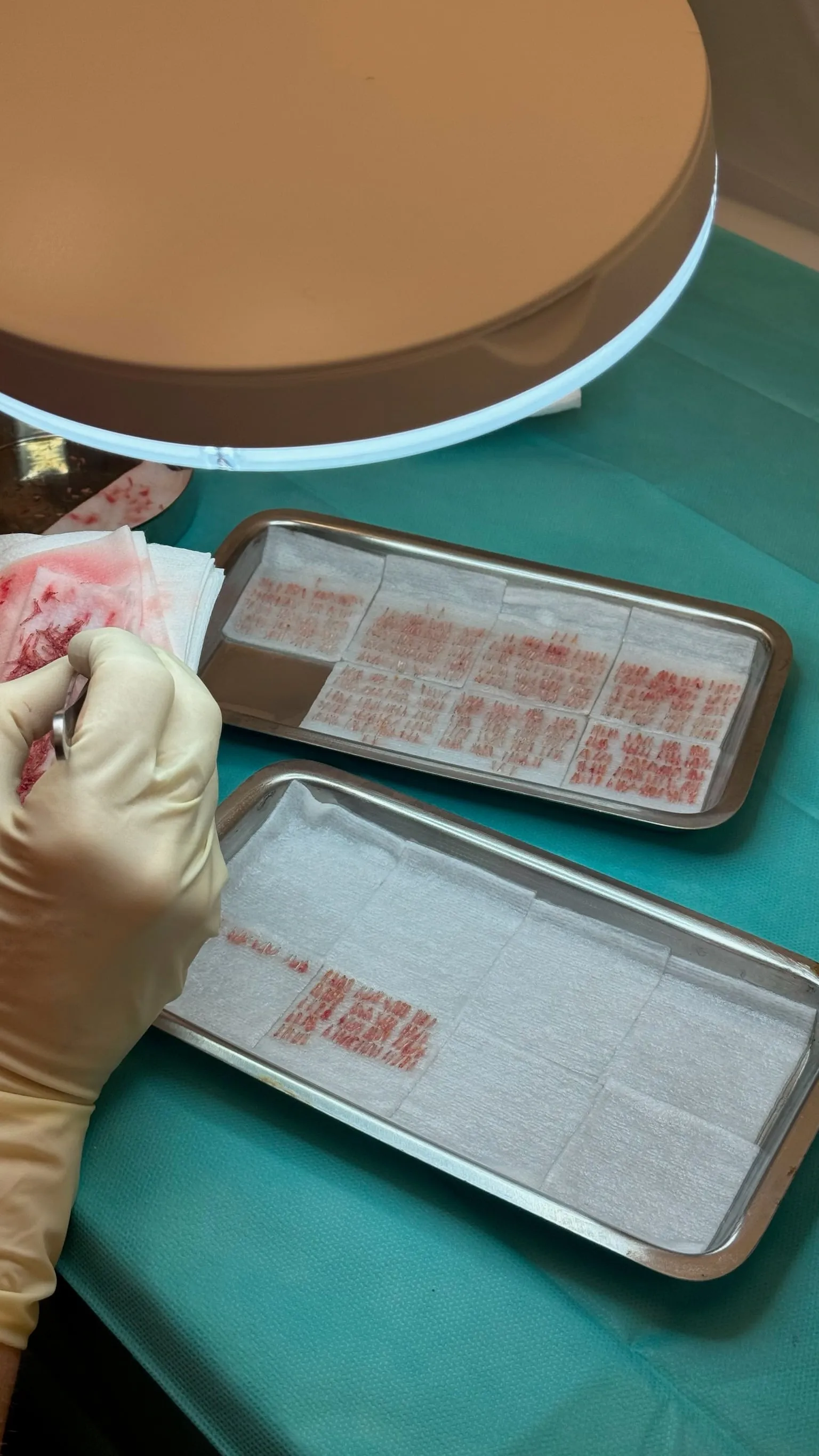
Tiny openings are then made in the recipient area, into which the grafts are placed. Angle, direction and spacing help determine how naturally the hair will fall later.
Why is the number of grafts limited?
A hair transplant does not create new hair; it redistributes existing hair. The professional society puts it in a nutshell: donor hair, once harvested, is gone for good. Overusing the donor area or harvesting outside the safe zone risks visible thinning and patchy areas at the back of the head that cannot be reversed.
In addition, hereditary hair loss often continues to progress. Forward-looking planning therefore keeps reserves for later. One review names the shortage of donor hair as a key obstacle: with pronounced hair loss, it is often not possible to treat all thinning areas.
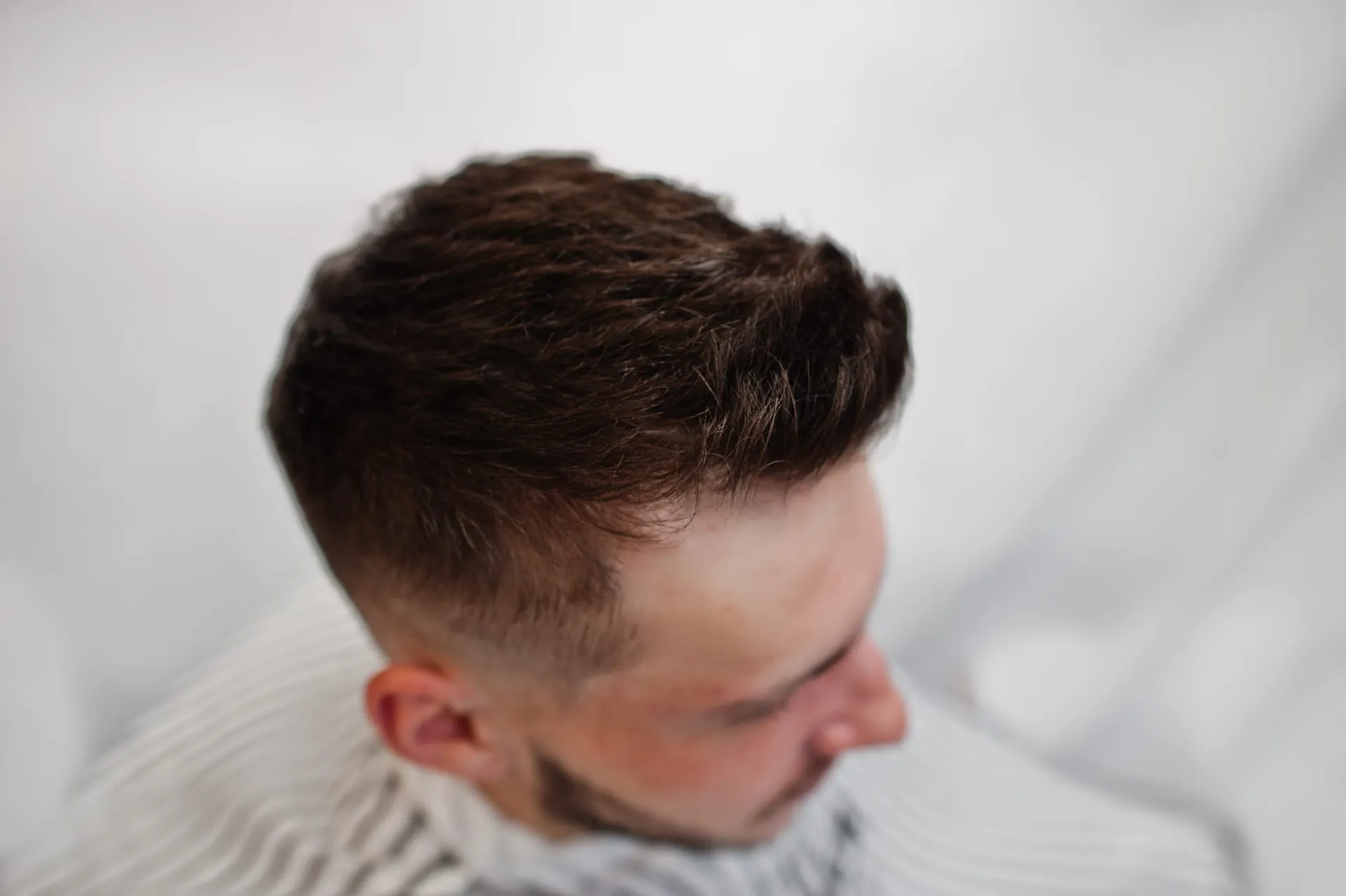
There is therefore no general answer to the question of how many grafts can be harvested at most. It depends on the density and size of the donor area, on the hairs themselves and on the method. Guide values for a single session can be found in the FUE and FUT comparison.
When are the grafts secure?
Immediately after the procedure, the grafts sit only loosely in their small channels. A study of 42 patients published in 2006 measured how long they remain vulnerable: in the first two days, pulling on a hair dislodged the graft every time, but no longer from the sixth day. Adherent crusts remained a risk for longer – pulling at them caused the graft underneath to be lost up to and including the fifth day. From the ninth day, the grafts were no longer at risk.
This explains the rules for the first few days: do not scratch, avoid friction, do not pull off crusts and wash as gently as your practice instructs. If in doubt, its schedule always applies. More on this in the article Aftercare after a hair transplant.
Why do the transplanted hairs fall out after a few weeks?
Many people are alarmed when the freshly transplanted hairs fall out a few weeks after the procedure. Usually this is not a loss: only the hair shaft falls out; the root stays in the skin, goes through a resting phase and then forms a new hair. Because scalp hair grows only about one centimetre a month, it often takes a year or more before the result can be assessed.
This should be distinguished from so-called shock loss, in which existing, non-transplanted hairs in the treated area fall out, typically two to six weeks after the procedure. This, too, is usually temporary, but can sometimes be permanent. What is normal in which phase is described in the article Hair transplant: the timeline.
Why does the number of grafts alone say little?
A high number of grafts sounds like a lot of hair. But other factors count for the result:
- how many hairs the grafts carry on average – this varies from person to person,
- how thick, wavy or light the hairs are and how much they contrast with the scalp,
- how gently the grafts are harvested, stored and placed,
- whether direction, angle and distribution suit the zone, especially at the hairline and parting,
- how hair loss develops around the transplanted hairs.
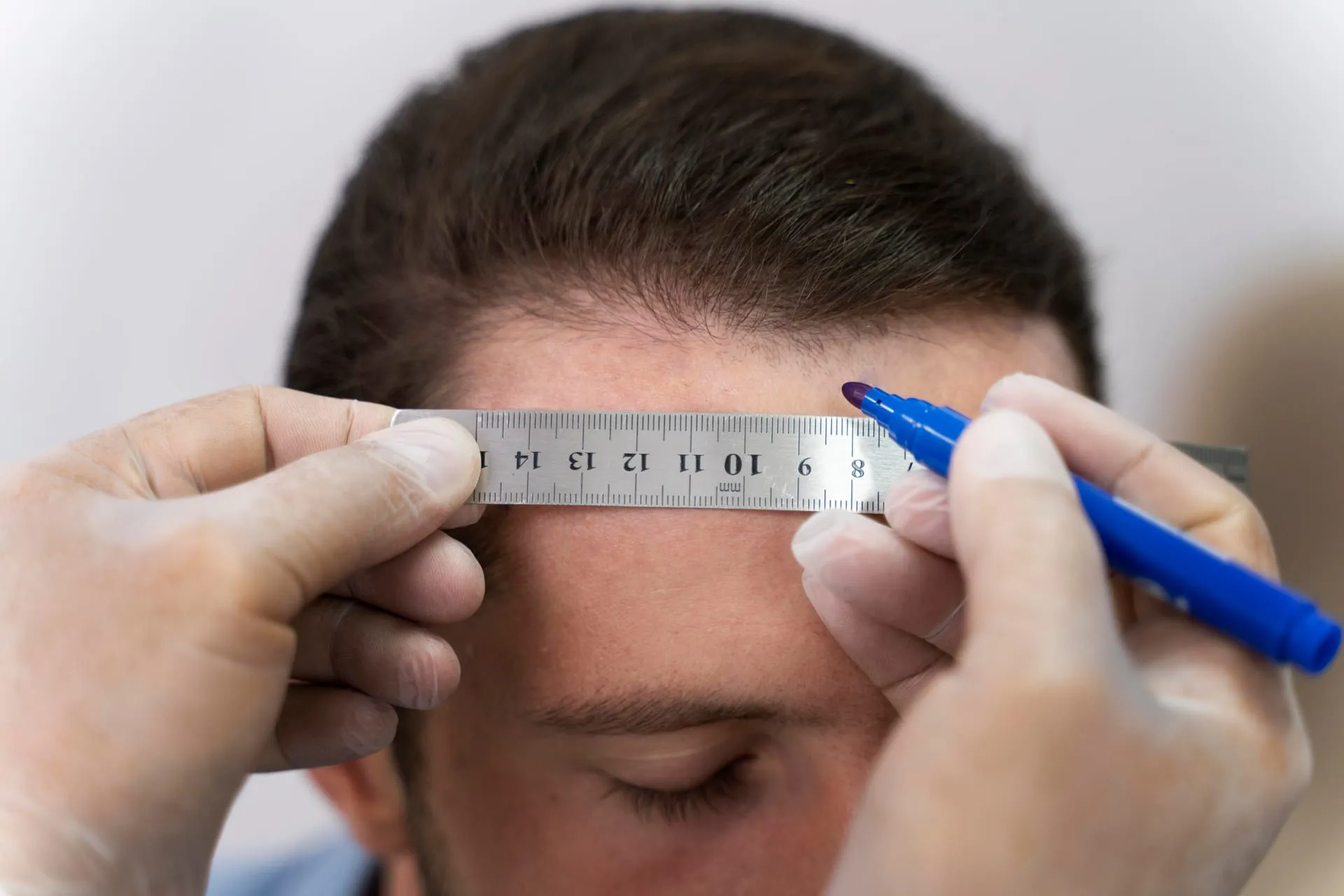
A number in an offer is therefore not a mark of quality in itself. It is more telling whether it is clearly explained where the grafts come from, what remains in the donor area and why a certain number makes sense for the desired zone.
An honest assessment: what grafts can and cannot do
Grafts are a limited reserve. Not every transplanted graft takes, and how dense the result looks varies from person to person. A particular survival rate or density cannot be guaranteed.
Harvesting also leaves traces: single extraction leaves many small, dot-like scars, the strip technique a fine line. Neither method is scar-free. After the procedure, swelling, crusts, a feeling of tightness and numbness on the head are possible; infections are rare.
And finally, no number of grafts can stop hereditary hair loss from continuing. Planning therefore always includes the question of how hair loss might develop over the next few years – and whether drug treatment prescribed by a dermatologist makes sense.
We will clarify in person how many grafts your donor area can provide
Whether and how many grafts can sensibly be harvested in your case can only be said after an examination. In a 1:1 consultation with no obligation, we discuss your starting point, your goals and the limits of your donor area – in person at six locations or by video. Before a hair transplant, we plan two consultations; in them we also clarify which method is an option for you and at which location it is offered.
Our locations are Dortmund, Düsseldorf, Hamburg, Nuremberg, Wertheim and Eindhoven (NL); you will find all addresses under Locations.
Frequently asked questions
What are grafts?
Grafts are the units that are transplanted in a hair transplant: natural groups of hairs together with their roots, known in medical terms as follicular units. They are harvested from the donor area at the back and sides of the head and placed in thinning areas.
How many hairs does a graft have?
Usually one to four. Grafts with one, two or three hairs are the most common; how they are distributed depends on your hair density. Grafts with single hairs are preferably placed in the very front row of the hairline.
Are 2,000 grafts also 2,000 hairs?
No. Because many grafts carry several hairs, 2,000 grafts usually add up to considerably more hairs. Exactly how many depends on your hair structure – which alone is a reason why the number of grafts is not a measure of the result.
How many grafts does a person have?
Around 80,000 to 120,000 strong hairs grow on the whole head – mathematically, several tens of thousands of follicular units. For a transplant, however, only the donor area counts: one study counted 65 to 85 follicular units per square centimetre there. Only part of these can be harvested safely.
What is the maximum number of grafts that can be harvested?
There is no fixed upper limit that applies to everyone. It depends on the density and size of the donor area, on the hairs and on the method – and on how much reserve should be kept for later. Harvesting too much can permanently thin the back of the head; an example calculation is given in the article How many grafts do I need?
When are the grafts secure?
In a study of 42 patients, grafts could always be pulled out by tugging on the hair in the first two days, but no longer from the sixth day. Adherent crusts remained a risk up to the fifth day; from the ninth day, the grafts were no longer at risk. The schedule your practice gives you is what counts.
Is it normal for grafts to fall out?
It is common and usually normal for the transplanted hairs to fall out a few weeks after the procedure: the hair shaft falls out, while the root stays and forms a new hair after a resting phase. The first few days are different – if a fresh graft is dislodged by scratching or friction at that point, it is lost. If you are unsure, ask your practice.
Medical note:This article is for general information only and does not replace a medical examination, diagnosis or consultation. Whether a treatment is suitable for you, and which one, should be discussed in person with a specialist. Treatment results vary from person to person.
Show sources (6)
- International Society of Hair Restoration Surgery (ISHRS) (o. J.): Guide to FUE Hair Transplant: Benefits, Process & Recovery. Abgerufen am 30.09.2026. ishrs.org/fue-what-is-it
- Jimenez F, Ruifernández JM (1999): Distribution of human hair in follicular units. A mathematical model for estimating the donor size in follicular unit transplantation. Dermatologic Surgery 25(4): 294–298. PMID 10417585. doi.org/10.1046/j.1524-4725.1999.08114.x
- Bernstein RM, Rassman WR (2006): Graft anchoring in hair transplantation. Dermatologic Surgery 32(2): 198–204. PMID 16442039. doi.org/10.1111/j.1524-4725.2006.32033.x
- Rose PT (2015): Hair restoration surgery: challenges and solutions. Clinical, Cosmetic and Investigational Dermatology 8: 361–370. pmc.ncbi.nlm.nih.gov/articles/PMC4507484
- Wolff H, Fischer TW, Blume-Peytavi U (2016): Diagnostik und Therapie von Haar- und Kopfhauterkrankungen. Deutsches Ärzteblatt 113(21): 377–386. DOI 10.3238/arztebl.2016.0377. api.aerzteblatt.de/pdf/113/21/m377.pdf
- Kerure AS, Patwardhan N (2018): Complications in Hair Transplantation. Journal of Cutaneous and Aesthetic Surgery 11(4): 182–189. pmc.ncbi.nlm.nih.gov/articles/PMC6371733
Personal 1:1 consultation, no obligation
In person or conveniently by video.
In two consultations we work out with you which treatment suits you.