
Hair loss guide
Hair loss in women
Hair Doctors explains the most common causes of hair loss
- 34% of women aged 25 and over
- 40% of women in the prime of life
- 12–15 months is how long diffuse hair loss can suppress growth
Types of hair loss in women
How hair professionals classify hair loss in women
Women lose their hair too
Around 34% of all women suffer from hair problems from the age of 25. Among women in the prime of life, as many as 40% are affected by hair loss. In our society, hair loss in women gets nowhere near as much attention as hair loss in men. This is usually because women, who mostly wear their hair longer, can conceal their hair problem more easily. The causes of female hair loss can be very varied. Read on to find out more about the types of female hair loss and what you can do about them.
- 34% of all women lose hair from the age of 25
- Among women in the prime of life, the figure rises to 40%
Cause: androgenetic alopecia – when hair loss is inherited through your parents’ genes
Much like the typical phenomenon of hair loss in men, women can also suffer from genetic alopecia. It makes no difference whether it can be traced on the father’s or the mother’s side. Both parents can pass on this type of hair loss.
Once this type of hair loss has been diagnosed, hair experts refer to it as hereditary or androgenetic hair loss. It typically begins with thinning hair, usually at the front and top of the head. At first it shows as a receding hairline and receding temples and, at a later stage, as a thinning area around the parting.
Stress and hormonal influences are also causes
Even if this type is genetically predisposed, it is uncertain whether and when it will become noticeable. How strongly a genetic predisposition shows also depends on hormonal influences and age. Likewise, stress and dietary factors can have a considerable influence on how this pre-programmed hair loss develops – both positively and negatively.
Although women can suffer from hereditary hair loss, it is comparatively less common in women than in men. Often, hereditary hair loss in women only appears during or after the menopause. The reason for this is the hormonal change in the body. Testosterone in particular – actually a male androgen, but one that is also produced in the female body – is considered to play a decisive role here. It is carried via the bloodstream to the hair roots, where it settles and only has its decisive effect once it has been converted into the androgen DHT (dihydrotestosterone).
Not sure what kind of hair loss you have?
Hair Doctors determines the cause
Diffuse hair loss: when medical causes are to blame
The most common form of hair loss in women is so-called diffuse hair loss. Hair experts call it “diffuse” because it sets in gradually and usually with a delay. So diffuse hair loss does not announce itself with, for example, receding temples. Instead, the hair thins on the top of the head and loses volume in certain places. This is another reason why diffuse hair loss is often noticed late. The triggers are often medical in origin, but can be many and varied. For example, gynaecological factors such as pregnancy or the onset of the menopause can be responsible, just as an illness and the medication needed to treat it can.
Medicines known to trigger diffuse hair loss are often taken in connection with:
- thyroid disorders
- connective tissue disorders
- high cholesterol
- blood-thinning therapy
- blood-pressure-lowering therapy
- epilepsy
- gout
- chemotherapy
But a poor diet – for example due to anorexia or a lack of minerals – diet pills and taking drugs such as cocaine can also set off diffuse hair loss.
Diffuse hair loss is asymmetrical
Diffuse hair loss usually progresses as follows: hair growth first slows down and is then completely suppressed for around 12–15 months. Only after that does the hair fall out. Diffuse hair loss can occur across all the hair on the head and be distributed unevenly (asymmetrically).
Nevertheless, with diffuse hair loss – which hardly occurs in men – there are chances of reversing it if the hair specialist succeeds in eliminating the causes responsible.
Our methods
Which method is right for you?
From robot-assisted hair transplants to scalp pigmentation – we will find the right method for you together in a 1:1 consultation with no obligation.
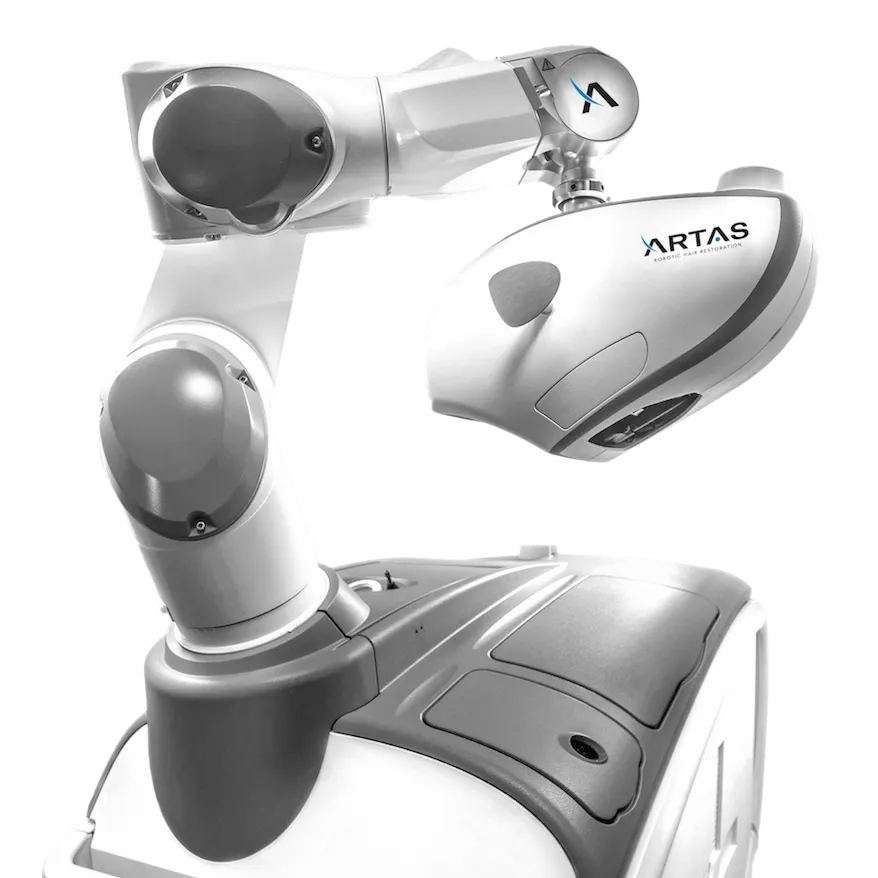
ARTAS® iX
Robot-assisted extraction with artificial intelligence

Hair Doctors FUEplus
Our gentlest method with finer incisions

FUE
Grafts extracted one by one from the donor area

FUT
Strip method – no shaving needed
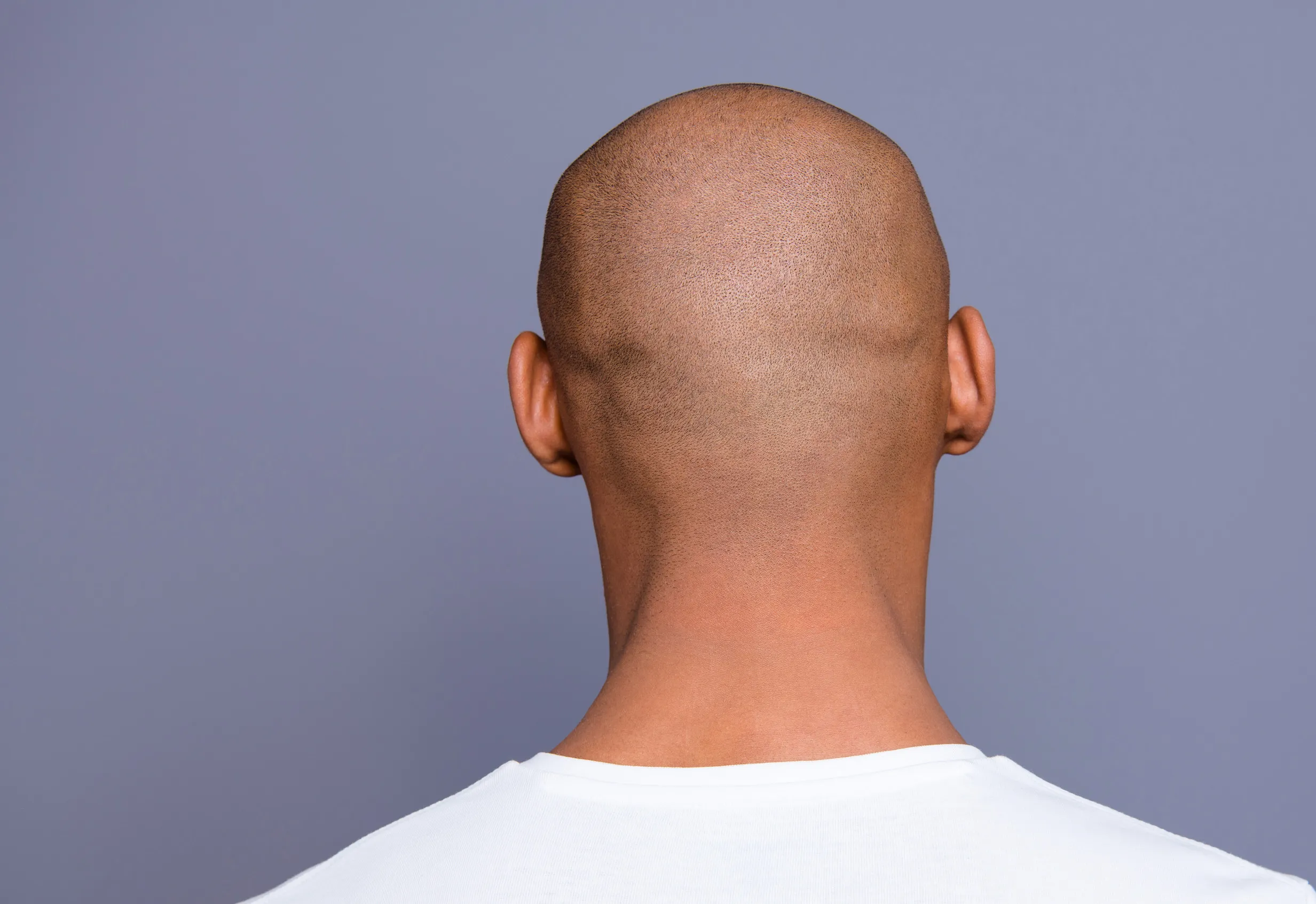
Scalp micropigmentation
The look of a shaved head – without surgery
6 locations
Hair Doctors near you






Personal 1:1 consultation, no obligation
In person or conveniently by video.
In two consultations we work out with you which treatment suits you.
Sign up for our newsletter
Never miss offers, news and events again.