

- 8–10 ml of blood for own-blood therapy
- 3 weeks until the stitches are removed after FUT
Diffuse hair loss describes even hair loss across the whole head. There are many possible reasons why a woman may suffer from diffuse hair loss with balding. To find a suitable solution, it is first necessary to find out where the symptoms come from.
Reasons and causes of balding with diffuse hair loss in women
Certain medicines are a common trigger of diffuse hair loss in women. Beta blockers or medication for an overactive thyroid, for example, can promote hair loss. There are many other medicines that can cause hair to fall out. The contraceptive pill is also a common cause of diffuse hair loss.
Balding in women can also result from a metabolic disorder. An unbalanced diet often leads to a protein or iron deficiency, which promotes hair loss. An underactive thyroid can also be the reason for diffuse hair loss.
It is also possible that diffuse hair loss and balding are hereditary. Even young women can be affected by this type of hair loss if they have inherited these genes from their parents.
Can a hair transplant still stop diffuse hair loss in women?
Before a hair transplant can be carried out, the cause of the diffuse hair loss should be determined. If the hair loss cannot be stopped by changing your diet or stopping a particular medication, a hair transplant – followed by own-blood therapy if you wish – may be an option, but only if the donor area at the back of the head is dense and stable. Scalp micropigmentation can also be an effective treatment for diffuse hair loss.
For a hair transplant, it is important that there is still enough hair that can be transplanted to the bald areas. With diffuse hair loss, the back of the head often thins out as well in women; in that case a transplant does not make sense. Therapy with your own blood stimulates the transplanted hair follicles to grow more strongly, so that fuller hair can gradually develop again.
How does a hair transplant work for balding in women?
A hair transplant requires an area of the head where there is still hair. Using the FUT technique, a strip of skin, which should be relatively densely covered with hair, is removed. So-called grafts – individual hair follicles – are obtained from it.
The areas to be planted with new hair are first prepared for reinsertion – the actual transplant – using a tiny needle. The follicles are then placed into these microscopically small holes. Because they have previously been treated with a special growth serum, they are much more likely to take root in their new location.
For therapy with your own blood, specialists process approximately 8–10 ml of venous blood from your own body to produce a concentrate that promotes skin regeneration and cell growth.
Aftercare following the hair transplant
If a hair transplant has been carried out using the FUT technique, the stitches must be removed after 3 weeks. This appointment is also the first check of how the donor area is healing. It is checked whether the new follicles are healthy and taking root properly.
If own-blood therapy is carried out, it must be repeated regularly. The first treatment takes place on the day of the transplant, followed by another session a few weeks later.
Therapy with your own blood should be repeated every three months to strengthen the hair follicles in order to treat diffuse hair loss.
Costs of the transplant
Hair transplant costs vary depending on the work involved. In the case of diffuse hair loss with balding, the transplant will fall into a higher category and can cost around €5,500 to €8,500.
May we help you with diffuse hair loss?
If you suffer from diffuse hair loss that is not caused by hormones or diet, we at Hair Doctors will check whether a hair transplant is an option for you – this requires a dense, stable donor area. If it is, subsequent therapy with your own blood can complement the treatment.
Frequently asked questions
Common questions from our patients
Should women with diffuse hair loss and balding avoid stress?
Diffuse hair loss can be caused by stress. Whether stress also plays a role in your individual case should first be clarified with a doctor.
When should you see a doctor about diffuse hair loss?
If you suffer from diffuse hair loss with balding, you should have the cause investigated by a doctor. Using blood tests, they can determine whether the hair loss is hormonal or whether medication is the trigger.
Can home remedies or shampoos reverse balding caused by diffuse hair loss?
If the diffuse hair loss is due to a nutrient deficiency, you can counteract it with certain vitamins and minerals. Unfortunately, home remedies do not help with hereditary hair loss.
Our methods
Which method is right for you?
From robot-assisted hair transplants to scalp pigmentation – we will find the right method for you together in a 1:1 consultation with no obligation.

ARTAS® iX
Robot-assisted extraction with artificial intelligence

Hair Doctors FUEplus
Our gentlest method with finer incisions

FUE
Grafts extracted one by one from the donor area

FUT
Strip method – no shaving needed
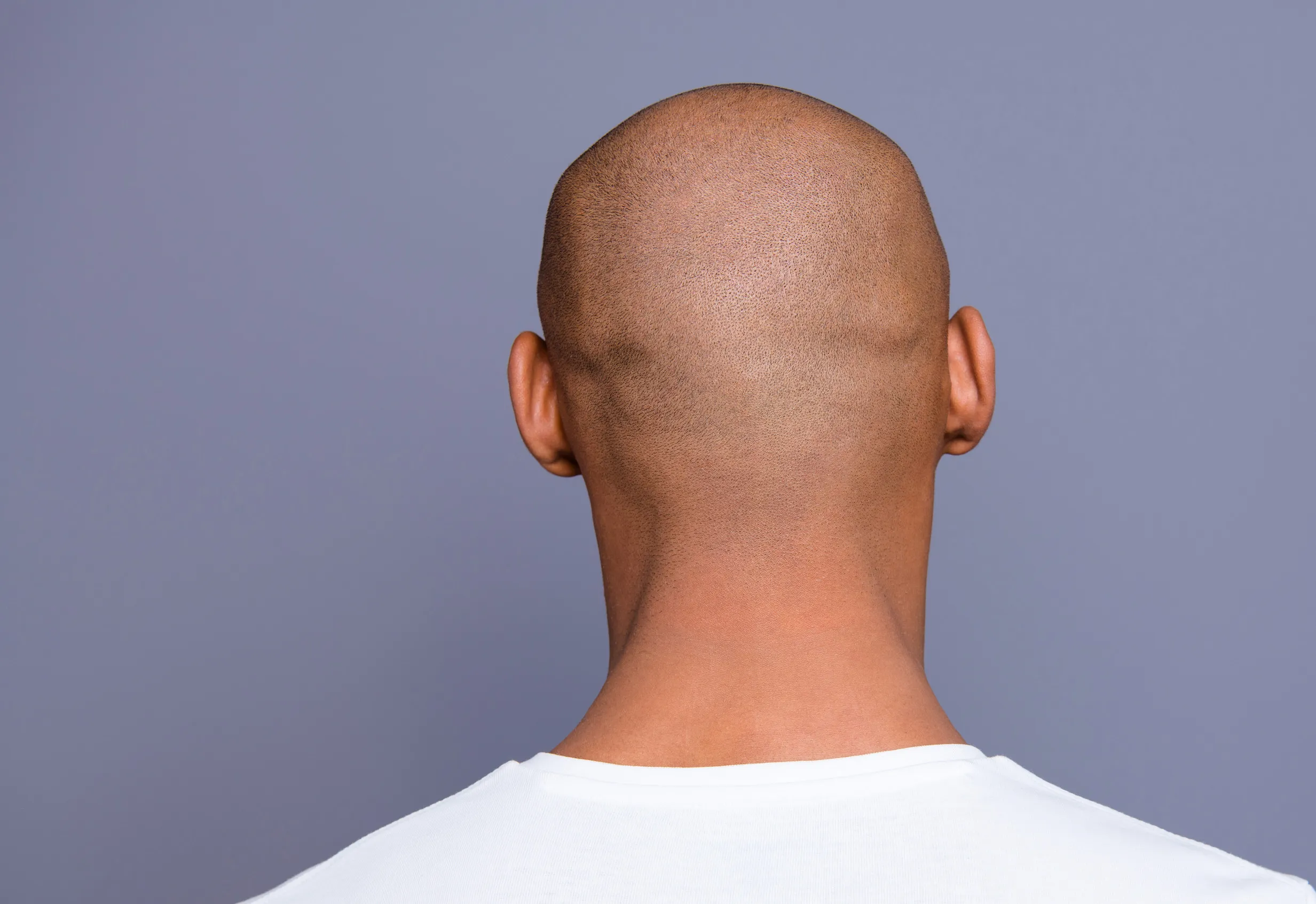
Scalp micropigmentation
The look of a shaved head – without surgery
6 locations
Hair Doctors near you






Personal 1:1 consultation, no obligation
In person or conveniently by video.
In two consultations we work out with you which treatment suits you.
Sign up for our newsletter
Never miss offers, news and events again.